


Views: 0 Author: Site Editor Publish Time: 2026-07-06 Origin: Site
Are your fire doors truly up to code? Understanding NFPA 80 fire door requirements is crucial for safety. This guide will help you navigate the complexities of fire door compliance. You’ll learn about essential components, inspection requirements, and common violations to ensure your building remains safe and compliant.
Table of Contents
Fire doors are specialized doors designed to withstand fire and prevent its spread between different areas of a building. They play a crucial role in a fire protection system by containing flames and smoke, allowing occupants to evacuate safely and giving emergency responders time to control the situation. Fire doors must be constructed from materials that can endure high temperatures and must meet specific performance criteria outlined by NFPA 80.
NFPA 80, the Standard for Fire Doors and Other Opening Protectives, governs the installation, inspection, testing, and maintenance of fire-rated door assemblies. This standard applies to various types of fire doors, including swinging fire doors, rolling steel doors, and fire-rated windows. It ensures that these assemblies are properly constructed and maintained throughout their lifecycle, from initial installation to annual inspections. The requirements set forth in NFPA 80 are crucial for maintaining building safety and compliance with local building codes.
The Authority Having Jurisdiction (AHJ) is the organization or individual responsible for enforcing fire codes and building regulations within a specific area. The AHJ plays a vital role in the implementation of NFPA 80 by reviewing plans, conducting inspections, and ensuring compliance with the standard. They determine where fire-rated assemblies are required based on the applicable building codes, such as the International Building Code (IBC). The AHJ also has the authority to approve alternative methods, grant variances, and enforce corrective actions when deficiencies are identified during inspections.
In summary, the scope and purpose of NFPA 80 are to establish comprehensive guidelines for fire door assemblies, ensuring they are effective in preventing the spread of fire and smoke. Understanding the definitions, applications, and the role of the AHJ is essential for building owners, facility managers, and contractors involved in fire safety compliance.
Tip: Always consult your local AHJ to ensure compliance with NFPA 80 and other relevant building codes for fire door installations.
Fire door assemblies are critical elements in fire protection systems, designed to contain flames and smoke, allowing for safe evacuation and providing emergency responders with the necessary time to control the situation. Each assembly consists of various components, all of which must work together to meet the standards set by NFPA 80.
The fire door is the main component of the assembly. It must be constructed from materials like steel, wood, or composite that can withstand high temperatures. The door should also carry a permanent label from an approved testing laboratory, indicating its fire protection rating. This rating is crucial, as it determines how long the door can resist fire and smoke. For example, a door might have a 60-minute fire protection rating, meaning it can withstand fire for that duration.

The frame holds the fire door in place and must also be constructed from fire-rated materials. Like the door itself, the frame must be labeled and rated for the same or a higher fire protection rating. Installing a fire door in a non-rated frame can compromise the entire assembly's effectiveness. Proper alignment and secure attachment to the wall are essential to maintain the integrity of the fire door assembly.
Hinges are vital for the door's operation. They must be steel or steel-base and listed for fire door use. Depending on the door's rating, spring hinges may serve as both hinges and closing devices. A self-closing device, such as a door closer or spring hinge, is necessary to ensure the door returns to a closed position after being opened. This feature is critical for maintaining the door's fire-resistance capabilities.
Latching hardware is essential for keeping the fire door securely closed. All swinging fire doors must have a latch bolt that engages the strike plate each time the door closes. This ensures that the door remains closed, preventing smoke and flames from passing through. Non-latching hardware, such as dummy trim or passage-function locksets, is not permitted on fire doors unless specifically exempted by the building code.
Glazing refers to the fire-rated glass or other materials that may be incorporated into the fire door. This glazing must be listed for use in fire doors and is limited in size based on the door's fire rating. Edge seals, including intumescent or smoke seals, may be required to enhance the fire door's performance by preventing smoke from leaking through gaps. These seals expand when exposed to heat, providing an additional barrier against smoke and flames.
In summary, every component of a fire door assembly plays a crucial role in ensuring compliance with NFPA 80 and effective fire protection. Understanding these components helps building owners, facility managers, and contractors maintain safety standards and ensure compliance with fire codes.
Tip: Always verify that each component of your fire door assembly is listed and labeled for the appropriate fire protection rating to ensure compliance with NFPA 80.
Fire doors are categorized based on their fire protection ratings, which indicate how long they can withstand fire and smoke. NFPA 80 establishes five distinct fire protection rating levels: 20-minute, 45-minute, 60-minute, 90-minute, and 180-minute. Each rating level corresponds to specific applications and wall types, ensuring that fire doors are appropriate for their intended use. Understanding these ratings is essential for compliance with safety regulations and effective fire protection strategies.
A fire door with a 20-minute rating is designed to withstand fire for a minimum of 20 minutes. This rating is typically applicable in corridors, smoke partitions, and room separations where a lower rating is permitted by code. It provides adequate protection in areas where the fire risk is relatively low, allowing occupants time to evacuate safely.
The 45-minute rating is often used for standard corridor walls and room separations in various occupancy types. This rating ensures that the door can resist fire and smoke for at least 45 minutes, providing a higher level of safety than the 20-minute rating. It is commonly found in commercial buildings where fire resistance is necessary but not as critical as in high-hazard areas.
Fire doors rated for 60 minutes offer significant protection and are often installed in exit access corridors with 1-hour walls. They are also used in certain shaft enclosures and exit enclosures where increased fire resistance is required. This rating is crucial for maintaining safe egress routes during a fire, allowing more time for evacuation and emergency response.
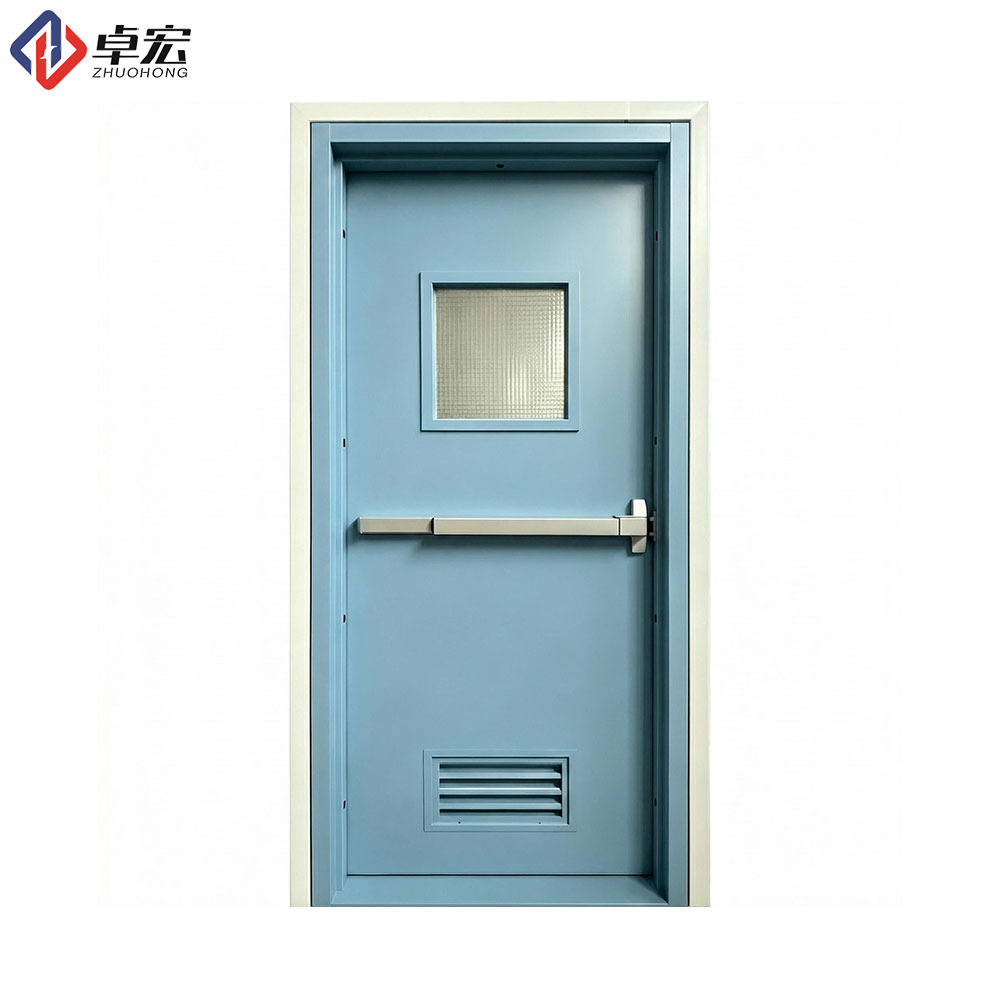
A 90-minute fire door is typically used in exit stairwell enclosures and 2-hour fire barriers. This rating is vital in high-occupancy buildings, where the potential for rapid fire spread necessitates enhanced protection. The 90-minute rating ensures that occupants have sufficient time to escape and that firefighters can access the building safely.
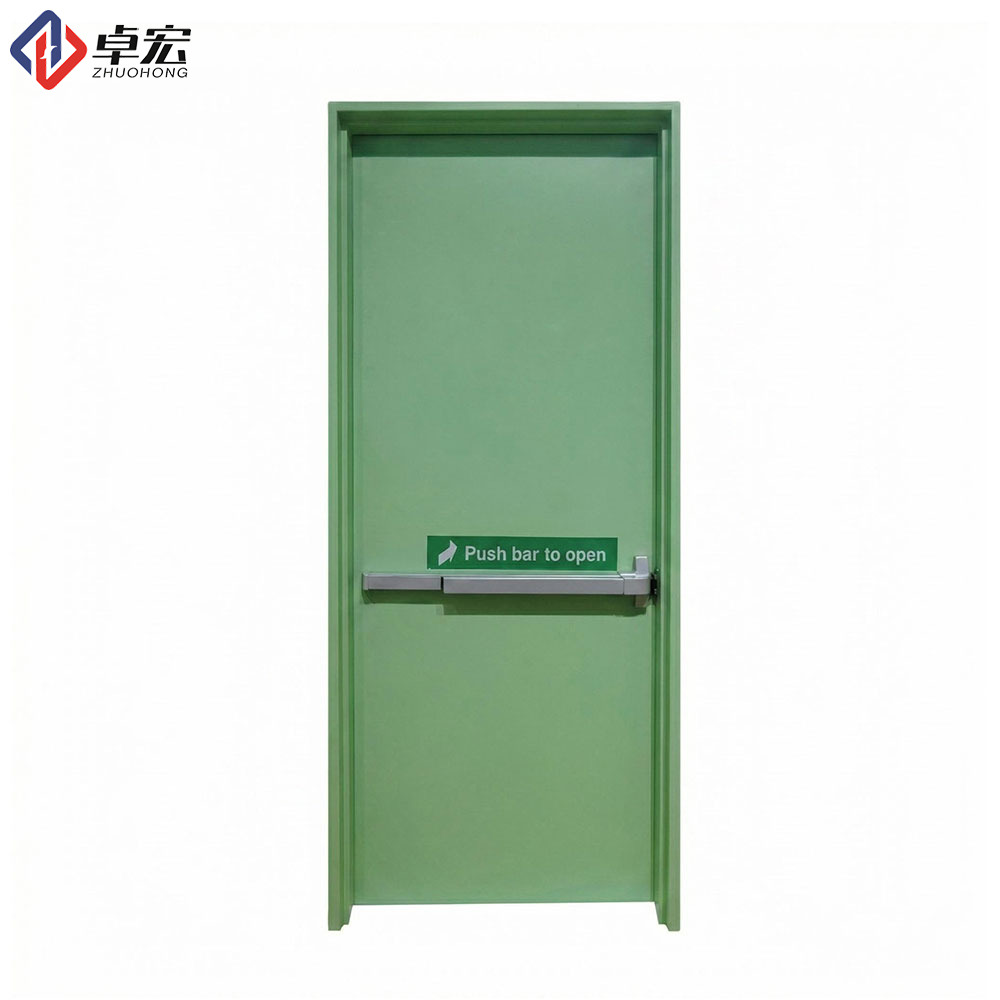
The highest fire protection rating, 180 minutes, is required for fire walls, high-hazard separations, and occupancy separations with the most stringent fire resistance requirements. This rating is essential in critical areas where fire risks are elevated, such as chemical storage facilities or industrial settings. A 180-minute fire door provides the maximum level of safety, preventing fire and smoke from spreading for an extended period.
In summary, the fire protection rating of a door assembly is always less than or equal to the fire resistance rating of the wall in which it is installed. For example, a 2-hour fire barrier wall typically requires a 90-minute fire door assembly. The specific requirements are determined by the applicable building codes and the table of opening protectives within those codes.
Tip: Always consult the local building code to determine the appropriate fire protection rating required for your fire door assemblies based on the wall type and occupancy.
Labels on fire doors are more than just stickers; they are essential for verifying compliance with safety standards. Each label indicates that the door has been tested and meets the fire protection rating specified. This ensures that the door can effectively prevent the spread of fire and smoke, protecting lives and property. Without a proper label, it is impossible to confirm that a fire door has been constructed and tested according to the necessary requirements.
According to NFPA 80, all components of a fire door assembly must bear permanent labels from an approved testing laboratory, such as UL, Intertek/WHI, or ULC. Here's a breakdown of labeling requirements for each component:
Fire Door Labels: The fire door itself must have a label affixed to the hinge edge. This label should include the testing laboratory’s name, the manufacturer, the fire protection rating, and a reference to the applicable test standard (e.g., NFPA 252 or UL 10C).
Frame Labels: The door frame must also carry a label, typically located on the hinge jamb. This label must indicate that the frame is rated for the same or a higher fire protection rating than the door it supports.
Hardware Labels: Fire-rated hardware, such as hinges, closers, and locksets, must be listed for use on fire door assemblies. While these items may not have physical labels, they should be documented in the testing laboratory’s directory or product listing.
Glazing Labels: If the fire door incorporates fire-rated glazing, it must have a label identifying the testing laboratory and the fire protection rating. Glazing without a visible label may be rejected during inspections.
The absence of a label, or if it is illegible, can have serious implications. A fire door without a valid label cannot be verified as a rated assembly, leading to failure during inspections. This can result in costly repairs, potential fines, and increased liability in the event of a fire. In some cases, if a label cannot be replaced, the door may need to be entirely replaced, which is both time-consuming and expensive.
To maintain compliance, facility managers should regularly inspect fire doors and ensure that all labels are visible and intact. If a label is found to be missing or damaged, it is crucial to contact the manufacturer or an approved testing laboratory to obtain a replacement or to evaluate the door's compliance status.
Tip: Regularly check the labels on your fire doors and components to ensure they remain legible and intact; this is vital for compliance with NFPA 80 and for ensuring the safety of building occupants.
NFPA 80, specifically Section 5.2, mandates annual inspections for all fire door assemblies. This section is crucial for maintaining fire safety in buildings. Inspections ensure that fire doors function correctly and continue to meet safety standards. Building owners or designated representatives are responsible for these inspections.
During the annual inspection, several key criteria must be evaluated to ensure compliance with NFPA 80. Here’s what needs to be checked:
Labels: Verify that all components, including the fire door, frame, hinges, and glazing, have legible labels from an approved testing laboratory.
No Open Holes or Breaks: Check for any holes, breaks, or missing components that could compromise the fire barrier.
Clearances: Measure the gap between the door and frame. Ensure clearances comply with NFPA 80 specifications.
Self-Closing Functionality: Operate the door to confirm it closes completely from any open position without manual assistance.
Self-Latching Mechanism: Ensure the latch bolt engages the strike plate fully each time the door closes.
Door Condition: Inspect for damage, warping, or deterioration that could affect the door's fire resistance.
Frame Condition: Check the frame for damage, misalignment, or separation from the wall.
Gaskets and Edge Seals: Verify that intumescent or smoke gaskets are intact, where required.
No Field Modifications: Ensure no unauthorized modifications have been made to the door, frame, or hardware.
Coordinator Function: For paired doors, confirm the coordinator ensures the inactive leaf closes before the active leaf.
Astragal Condition: On paired doors with astragals, check that the astragal is intact and allows proper door operation.
No Blocking or Wedging: Ensure that no door stop devices, wedges, or other objects prevent the door from closing and latching.
Inspection records must be documented and available for review by the Authority Having Jurisdiction (AHJ). Records should include:
Date of inspection
Name of the inspector
Location of each assembly inspected
Findings for each inspection item
Any deficiencies identified and corrective actions taken
Keeping thorough records is vital for compliance and can prevent issues during inspections by the AHJ.
Annual inspections are not just a regulatory requirement; they are essential for ensuring the safety of occupants and property. By adhering to NFPA 80 Section 5.2, building owners can maintain effective fire door assemblies that provide the necessary protection against fire and smoke.
Tip: Schedule inspections ahead of time and keep detailed records to ensure compliance with NFPA 80 and enhance safety in your facility.
When it comes to fire doors, compliance with NFPA 80 is critical for ensuring safety. Unfortunately, many facilities encounter common violations during inspections. Here are the most frequently cited issues:
Doors Propped Open: Fire doors should never be held open with wedges or other devices unless they are connected to a fire alarm system. Propping doors open can compromise their fire-resistance capabilities.
Missing or Illegible Labels: Each fire door must have a visible label from an approved testing laboratory. If the label is missing, damaged, or painted over, the door cannot be verified as compliant.
Failure to Close and Latch: Fire doors must close and latch automatically without manual assistance. Doors that do not perform this function fail to meet NFPA 80 requirements.
Excessive Clearances: Gaps between the door and frame should not exceed 1/8 inch. Excessive clearances allow smoke and flames to pass through, undermining the door's effectiveness.
Non-Listed Hardware: All hardware used on fire-rated assemblies must be listed for fire door use. Using non-listed hardware can void the door's compliance.
Damaged Gaskets and Seals: Intumescent gaskets or smoke seals are critical for maintaining fire integrity. Missing or damaged seals may lead to smoke infiltration.
Unauthorized Modifications: Field modifications that are not in line with the original listing can void the fire rating. Common violations include cutting new openings or installing unapproved hardware.
During inspections, various deficiencies may be identified that can jeopardize safety. Common findings include:
Holes or Breaks: Inspectors check for any open holes or breaks in the door or frame, which can compromise the fire barrier.
Improper Alignment: Misalignment of the door or frame can hinder proper operation and may need adjustments.
Missing Components: Any missing parts, such as hinges or closing devices, must be addressed immediately to restore compliance.
Gasket Integrity: Inspectors verify that gasketing and edge seals are intact and functioning as required.
Field Modifications: Any unapproved modifications made to the door assembly can lead to non-compliance.
When deficiencies are identified, corrective actions must be taken promptly. Here are key responsibilities for facility managers and building owners:
Immediate Repairs: Address any deficiencies without delay. This may include repairing or replacing damaged doors, seals, or hardware.
Documentation: Keep thorough records of inspections, findings, and corrective actions. This documentation is essential for compliance and may be requested by the Authority Having Jurisdiction (AHJ).
Regular Training: Ensure staff is trained on fire door requirements and inspection protocols. Regular training can help prevent common violations.
Consulting Experts: If there are uncertainties about compliance or repairs, consulting a fire door expert or a qualified inspector can provide valuable guidance.
Scheduled Inspections: Implement a schedule for annual inspections to ensure ongoing compliance with NFPA 80. Regular checks can help identify issues before they become serious problems.
By focusing on these common violations, deficiencies, and corrective actions, facility managers can ensure their fire doors remain compliant and effective in protecting lives and property.
Tip: Regularly review and maintain your fire door assemblies to avoid common violations and ensure compliance with NFPA 80.
This article outlines the essential requirements of NFPA 80 for fire doors. It emphasizes the importance of proper installation, labeling, and annual inspections. Regular maintenance is vital to ensure fire doors function effectively. Addressing common violations can enhance safety and compliance. For reliable fire door solutions, ZHUOHONG offers high-quality products designed to meet NFPA standards. Their expertise ensures that your fire safety systems are up to code, providing peace of mind for building owners and occupants alike.
A: Fire doors are specialized doors designed to withstand fire and prevent its spread, crucial for safety during emergencies.
A: Fire doors must be inspected annually to ensure they meet NFPA 80 standards and function correctly.
A: Fire doors enhance safety by containing flames and smoke, providing occupants more time to evacuate and protecting property.
A: Fire door ratings indicate how long they can withstand fire, guiding their placement in various building types.
A: If a fire door is damaged, it should be repaired or replaced immediately to maintain compliance with safety regulations.


