


Views: 0 Author: Site Editor Publish Time: 2026-07-06 Origin: Site
Did you know that fire doors can be lifesavers in emergencies? They play a crucial role in protecting your home from fire hazards. In this article, we’ll explore the importance of fire doors, especially between garages and living spaces. You’ll learn about regulations and how to ensure your home is safe.
Table of Contents
When considering fire safety in your home, the question arises: do you need fire doors? The answer isn't straightforward and depends on several factors, including your home's layout and local building regulations.
Home Layout: The design of your home plays a crucial role. If you have an attached garage, a loft conversion, or a multi-storey house, fire doors may be necessary. These doors help contain fires and prevent them from spreading to living areas.
Local Building Codes: Building regulations vary by region. Many areas require fire doors in specific locations, especially where there are higher fire risks. For instance, a door leading from an integral garage to the house usually needs to be fire-rated.
Occupancy Levels: The number of people living in your home can also dictate fire safety measures. Homes with multiple occupants or those that serve as rental properties often have stricter requirements.
In the UK, the building regulations set forth clear guidelines regarding fire doors. Here are some key points:
New Builds and Renovations: If you're constructing a new home or renovating an existing one, fire doors are typically required for any habitable room that connects to a stairwell in homes with three or more storeys.
Integrated Garages: If your home has an integral garage, any door leading from the garage into the living space must be a fire-rated door. This is crucial as garages often contain flammable materials.
Multi-Storey Homes: For homes with multiple levels, fire doors may be mandated on each floor to act as barriers against fire spread.
"Fire Doors Are Only for Commercial Buildings": Many people think fire doors are only necessary in commercial settings. However, residential properties, especially those with attached garages or multiple floors, often require them too.
"All Doors Are Fire Doors": Not all doors meet fire safety standards. A standard door may not provide the necessary protection against fire and smoke. It’s essential to ensure any door installed meets the required fire rating.
"Fire Doors Are Too Expensive": While there may be an initial cost, fire doors provide significant safety benefits. They can save lives and protect property, making them a worthwhile investment.
In summary, whether you need fire doors in your house largely depends on your specific circumstances. Understanding local regulations and the layout of your home can guide you in making informed decisions about fire safety. Consulting a fire safety expert can also provide clarity on the requirements and best practices for your situation.
Tip: Always consult local building regulations and fire safety experts to determine the specific fire door requirements for your home.
When it comes to fire safety in residential properties, understanding the requirements for fire-rated doors is critical, especially between garages and homes. This section will explore the legal requirements, benefits, and the distinction between fire separation and fire rating.

In many jurisdictions, including the UK and the US, building codes dictate specific requirements for fire-rated doors between garages and living spaces. These codes are designed to minimize the risk of fire spreading from a garage—where flammable materials like gasoline and chemicals are often stored—into the home.
Building Codes: According to the International Residential Code (IRC) and similar regulations, any door leading from an attached garage into the home must be fire-rated. This typically means it should be a solid wood door at least 1-3/8 inches thick, a solid or honeycomb-core steel door, or a 20-minute fire-rated door. Additionally, these doors must be equipped with self-closing mechanisms to ensure they close automatically after being opened.
Local Regulations: It's essential to check local building codes, as requirements can vary significantly. For instance, in some areas, a fire-rated door is mandatory only if the garage is integrated into the living space. In contrast, detached garages may not have such stringent requirements.
Investing in a fire-rated door between your garage and home provides several significant advantages:
Fire Containment: A fire-rated door can help contain a fire within the garage, giving occupants more time to escape and reducing property damage. It acts as a barrier, slowing the spread of flames and smoke.
Increased Safety: With a fire-rated door, you enhance the overall safety of your home. This is especially crucial in homes with multiple occupants, where quick evacuation is essential.
Insurance Benefits: Many insurance companies recognize the installation of fire-rated doors as a proactive safety measure. This could potentially lower your insurance premiums, as it demonstrates a commitment to fire safety.
It's important to distinguish between "fire separation" and "fire rating."
Fire Separation: This refers to the physical barriers that prevent the spread of fire between different areas of a building. For example, the wall between your garage and house must meet specific fire separation standards to limit the spread of flames. This might include using fire-resistant materials like drywall.
Fire Rating: This is a measure of how long a door or wall can withstand fire before failing. A fire-rated door typically comes with a certification indicating how long it can resist flames—commonly 20 or 30 minutes.
In summary, while fire separation focuses on the physical barriers, fire rating assesses the effectiveness of these barriers under fire conditions. Understanding both concepts is vital for ensuring compliance with safety regulations and protecting your home.
Tip: Always consult your local building codes and fire safety experts to ensure your home meets all fire safety requirements, especially regarding fire-rated doors between garages and living spaces.
Fire doors play a crucial role in enhancing safety in residential properties. Understanding where fire doors are required can help homeowners comply with safety regulations and protect their families and property from fire hazards. Here’s a closer look at the key areas where fire doors should be installed in a house.
Between Garage and Living Space: If your home has an integral garage, a fire-rated door is essential. This door acts as a barrier to prevent flames and smoke from entering the living areas. It should meet specific building regulations, typically requiring it to be a solid wood door at least 1-3/8 inches thick, a solid or honeycomb-core steel door, or a 20-minute fire-rated door.
On Stairwells: In multi-storey homes, fire doors are often required at the top and bottom of stairwells. This helps contain a fire on one floor and prevents it from spreading upwards, providing residents with a safer escape route.
Between Habitable Rooms and High-Risk Areas: Fire doors should also be installed between living areas and high-risk zones, such as kitchens or utility rooms. These areas often contain flammable materials or appliances that could ignite a fire.
In Multi-Storey Homes: For houses with three or more storeys, fire doors are typically required on each level. This setup ensures that if a fire starts on one floor, it doesn't easily spread to others, giving occupants more time to evacuate.
In multi-storey homes, fire doors are critical for maintaining a safe environment. They serve as barriers that slow down the spread of fire and smoke. Building regulations often mandate that every habitable room connected to a stairwell must have a fire door. This is especially important in properties where additional floors have been added, such as during loft conversions.
The regulations for fire doors vary based on the design and layout of the home. Here are some specific points to consider:
Integral Garages: Any door leading from an integral garage into the house must be fire-rated. This is crucial, as garages often contain flammable items like gasoline and chemicals.
Detached Garages: If your garage is detached, fire doors may not be required unless local building codes specify otherwise. Always check local regulations for precise requirements.
Fire Safety Assessments: Conducting a fire safety assessment can help identify areas where fire doors are necessary. This assessment should evaluate the layout of your home, occupancy levels, and existing fire safety measures.
In summary, knowing where fire doors are needed in your home is essential for compliance and safety. By installing fire doors in the key areas outlined above, you can significantly enhance your home's fire safety measures.
Tip: Regularly inspect your fire doors to ensure they are functioning correctly and compliant with local regulations.
When it comes to fire safety, selecting the right fire door for your garage is crucial. This door acts as a barrier, preventing flames and smoke from spreading into your home. Here’s a detailed look at the types of fire doors available, important factors to consider when selecting one, and tips for installation and maintenance.
Solid Wood Fire Doors: Typically made from solid timber, these doors are often at least 1-3/8 inches thick. They provide excellent fire resistance and can withstand fire for a specified period, usually up to 30 minutes.
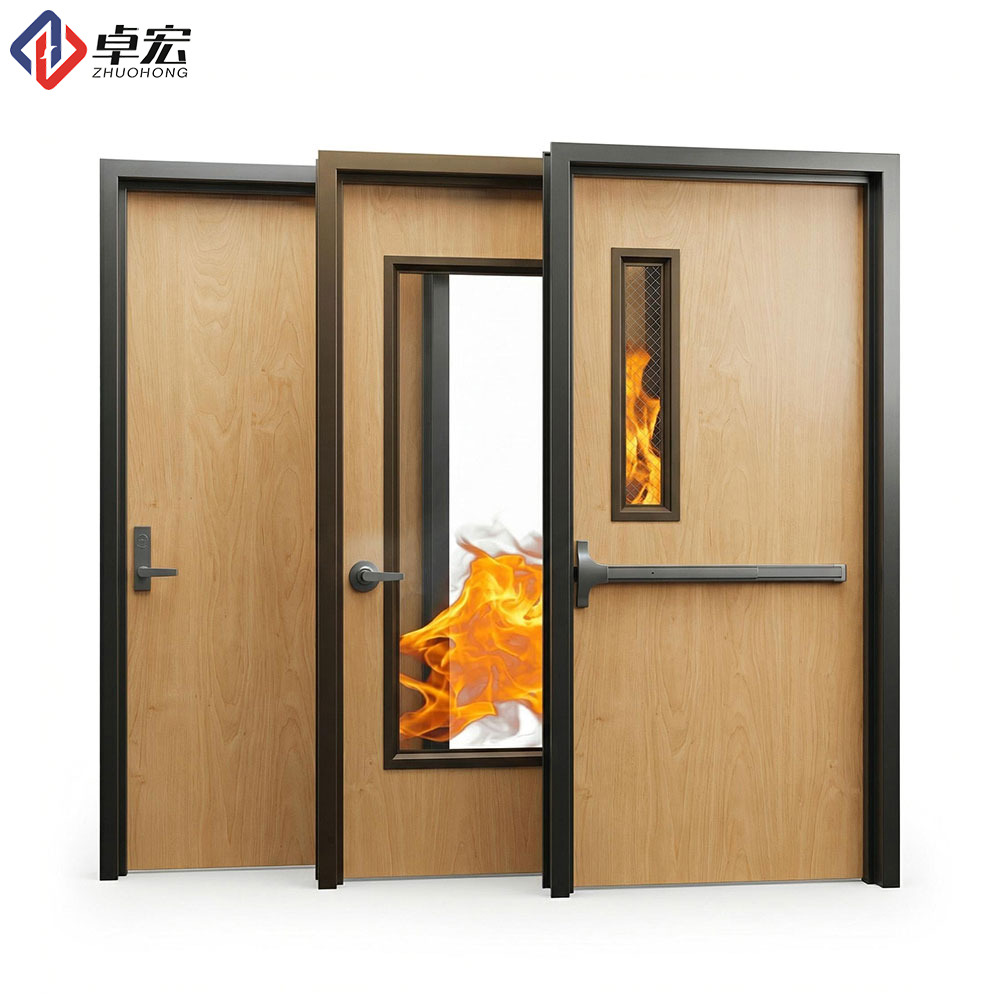
Steel Fire Doors: These doors are made from solid or honeycomb-core steel and offer superior durability and fire resistance. They are often used in commercial settings but are also suitable for residential use, especially for garages.
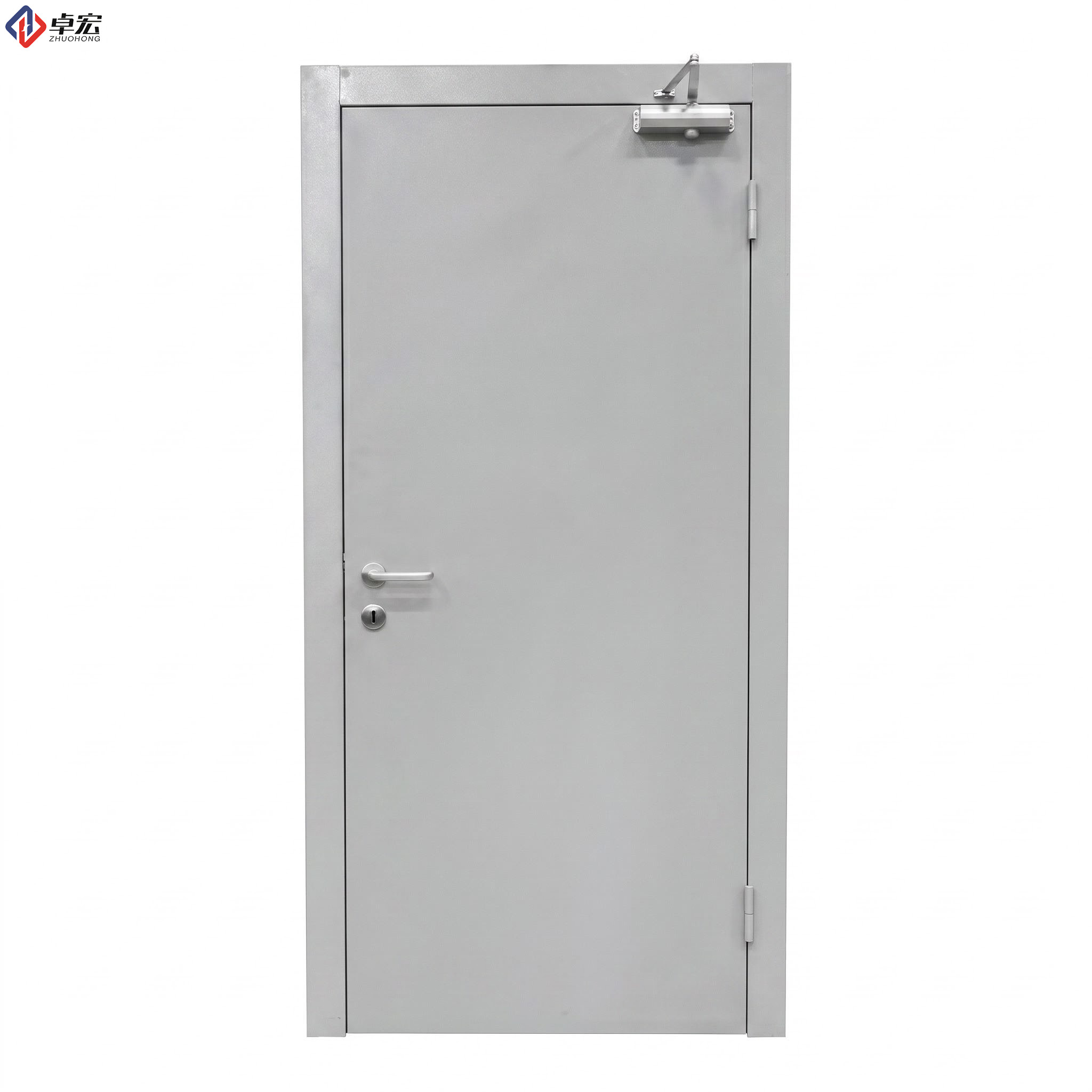
Composite Fire Doors: These doors combine materials like wood and steel to provide a balance of aesthetics and fire resistance. They can be a good option for homeowners looking for a stylish yet safe solution.
Glazed Fire Doors: Featuring fire-resistant glass panels, these doors allow natural light while maintaining safety standards. They are often used in areas where visibility is important, such as between a garage and a hallway.
Fire Resistance Rating: Ensure the door meets the required fire resistance rating for your area. Common ratings include 20, 30, or 60 minutes. The higher the rating, the longer the door can withstand fire.
Size and Fit: The door must fit snugly within the frame to prevent smoke and flames from passing through gaps. Measure the doorway accurately before purchasing a door.
Self-Closing Mechanism: A fire door should have a self-closing mechanism or be equipped with automatic closing hardware. This feature ensures the door closes after being opened, maintaining a barrier against fire.
Material and Aesthetics: Choose a door material that complements your home’s design while providing the necessary fire protection. Consider whether you prefer wood, steel, or a composite option.
Local Building Codes: Always check local building regulations for specific requirements regarding fire doors. Compliance with these codes is essential for safety and legal reasons.
Professional Installation: It’s advisable to have your fire door installed by a qualified professional. Proper installation ensures the door functions effectively and meets safety standards.
Regular Inspections: Conduct regular checks to ensure the door operates correctly. Look for any damage, gaps, or issues with the self-closing mechanism.
Maintenance: Keep the door clean and free of obstructions. Ensure that seals and weather stripping are intact to maintain fire resistance.
Avoid Modifications: Do not alter the door or its components, such as removing the self-closing device or drilling holes. Modifications can compromise the door's fire rating.
Documentation: Keep records of the door’s specifications, installation date, and any maintenance performed. This documentation can be useful for future inspections or insurance purposes.
By carefully selecting and maintaining the right fire door for your garage, you can significantly enhance your home’s fire safety. Remember, this door is a critical component in protecting your family and property from potential fire hazards.
Tip: Always consult a fire safety expert to ensure your chosen fire door meets all local regulations and safety standards.
A common question homeowners have is, “Can you paint a fire door?” The answer is yes, but there are specific precautions to take. Fire doors can generally be painted, but it’s crucial to ensure that any paint or finish used does not interfere with the door’s fire-resistant properties. Here’s a detailed look at the guidelines for painting fire doors, safe paint options, and how to maintain fire resistance after painting.
Consult Manufacturer Guidelines: Always check the manufacturer's instructions before painting. Some fire doors come with specific recommendations regarding paint types and application methods.
Avoid Thick Layers: Thick layers of paint can impair the door’s ability to function correctly. Aim for a thin, even coat that doesn’t obscure any seals or mechanisms.
Do Not Paint Seals: It’s essential to avoid applying paint to the intumescent seals or any weather stripping around the door. These seals are crucial for maintaining fire resistance and preventing smoke from entering the home.
Check for Damage: Before painting, inspect the door for any damage. If the door has dents, cracks, or other imperfections, repair these before applying paint to ensure the door remains effective.
Fire-Retardant Paint: Consider using fire-retardant paint specifically designed for fire doors. These paints are formulated to maintain the fire-resistance rating of the door.
Latex or Water-Based Paints: If you opt for standard paint, choose latex or water-based options, as they are less likely to emit harmful fumes compared to oil-based paints. Always ensure they are compatible with the door material.
Avoid Flammable Paints: Steer clear of any paints or finishes that are flammable or may compromise the door's fire rating. Always check for safety certifications on the product label.
Regular Inspections: After painting, regularly inspect the fire door to ensure it remains in good condition. Look for signs of wear, damage, or compromised seals.
Keep It Clean: Maintain the door by keeping it clean and free of obstructions. Dust and debris can affect the door's performance.
Professional Maintenance: Schedule periodic inspections with a fire safety expert to ensure the door continues to meet fire safety standards. They can check for compliance and recommend necessary repairs or maintenance.
Documentation: Keep records of the door’s specifications, installation date, and any maintenance performed. This documentation can be useful for future inspections or insurance purposes.
In summary, while you can paint a fire door, it’s vital to follow specific guidelines to maintain its fire-resistant properties. By choosing the right paint and adhering to safety practices, you can enhance the aesthetics of your fire door without compromising safety.
Tip: Always consult a fire safety expert before making modifications to your fire door to ensure compliance with local regulations and safety standards.
Fire doors are critical components in any home, especially those with attached garages. Their primary purpose is to slow down the spread of fire and smoke, providing occupants with valuable time to escape during an emergency. However, if these doors are missing or non-compliant, the consequences can be severe.
Increased Risk of Fire Spread: Without fire doors, fires can spread rapidly from the garage to the living areas. This can lead to greater property damage and increased risk to life. In a situation where a fire ignites in the garage, the absence of a fire door can mean the difference between a contained incident and a full-blown disaster.
Legal Repercussions: Many regions have strict building codes regarding fire safety. Failing to comply with these regulations can result in fines or legal action. Homeowners may face penalties for not having the required fire-rated doors, especially if a fire occurs and it is discovered that safety measures were inadequate.
Insurance Issues: Insurance companies often require compliance with local fire safety regulations. If fire doors are missing or non-compliant, homeowners may find their claims denied in the event of a fire. This can lead to significant financial losses, as they may have to cover damages out of pocket.
Increased Liability: Homeowners can be held liable for injuries or damages resulting from a fire if it is determined that they did not take appropriate safety measures. This includes failing to install or maintain fire doors as required by law.
Regular maintenance of fire doors is essential to ensure they function correctly. Fire doors can lose their effectiveness if they are damaged or not properly maintained. Here are some key maintenance practices:
Regular Inspections: Conduct routine checks to ensure fire doors are in good condition. Look for damage, gaps, or issues with self-closing mechanisms. Any signs of wear should be addressed immediately.
Proper Sealing: Ensure that the seals around the door are intact. These seals prevent smoke and flames from passing through gaps, which is crucial for the door's effectiveness.
Documentation: Keep records of inspections and maintenance. This documentation can be helpful for insurance purposes and to demonstrate compliance with local regulations.
Certification Labels: Check for a certification label on the door. This label indicates that the door meets specific fire safety standards. It should include the fire rating and the name of the certifying organization.
Self-Closing Mechanism: Ensure the door has a self-closing mechanism. This feature is vital for maintaining the barrier against fire and smoke.
Physical Condition: Inspect the door for any physical damage. A fire door should be solid and free from cracks or gaps that could compromise its integrity.
Consult Professionals: If you're unsure about compliance, consult a fire safety expert. They can conduct a thorough assessment and provide recommendations for ensuring your fire doors meet all necessary regulations.
In summary, missing or non-compliant fire doors pose serious risks to safety and property. By understanding the consequences and maintaining your fire doors, you can significantly enhance your home's fire safety.
Tip: Regularly inspect and maintain your fire doors to ensure they comply with local regulations and effectively protect your home from fire hazards.
Fire doors are essential for home safety, especially between garages and living spaces. They help contain fires and prevent smoke from spreading, providing critical time for evacuation. Understanding local building regulations is vital for compliance. Homeowners should prioritize installing fire-rated doors in high-risk areas. Regular inspections and maintenance ensure these doors remain effective. For reliable fire doors, consider ZHUOHONG. Their products offer unique benefits, enhancing safety and peace of mind for homeowners. Always consult fire safety experts for tailored advice.
A: Fire doors are specially designed doors that help contain fires and prevent them from spreading, providing crucial time for occupants to escape.
A: Fire doors are essential between a garage and a house to act as a barrier against flames and smoke, reducing the risk of fire spreading into living areas.
A: The cost of fire doors can vary widely based on materials and ratings, typically ranging from $150 to $500 or more, depending on specifications.
A: Yes, you can paint a fire door, but ensure you follow guidelines to maintain its fire-resistant properties and avoid painting over seals.
A: Check for certification labels, inspect for physical damage, and ensure it has a self-closing mechanism to verify compliance with fire safety regulations.


