


Views: 0 Author: Site Editor Publish Time: 2026-07-06 Origin: Site
Did you know that fire doors can be the difference between life and death in a fire? These essential safety features are vital for protecting occupants in commercial buildings. In this article, we’ll explore the importance of fire doors, the regulations that govern them, and what you need to know to ensure compliance.
Table of Contents
Fire doors are classified based on their fire resistance ratings, primarily FD30 and FD60. The FD30 fire door can withstand fire for up to 30 minutes, while the FD60 can handle it for 60 minutes. This distinction is crucial for determining the appropriate fire door for various areas within a commercial building.
In general, FD30 doors are suitable for buildings equipped with sprinkler systems. They are often used in areas where the risk of fire is lower. On the other hand, FD60 doors are typically installed in buildings without sprinklers, offering a higher level of protection in case of a fire. The choice between these ratings depends on the building's layout, occupancy levels, and specific fire risk assessments.
Fire doors can be made from various materials, each offering different benefits and applications:
Wood: Most common for fire doors, wooden doors are often constructed from hardwood. They can be designed to meet FD30 or FD60 ratings based on thickness and density. For instance, an FD30 door may be 44mm thick, while an FD60 door is typically 54mm thick.
Glass: Glass fire doors use fire-rated glass, which can withstand temperatures up to 900°C for a limited time. These doors are ideal for areas requiring visibility while maintaining fire resistance. They are often used in office partitions or conference rooms where aesthetics are essential.
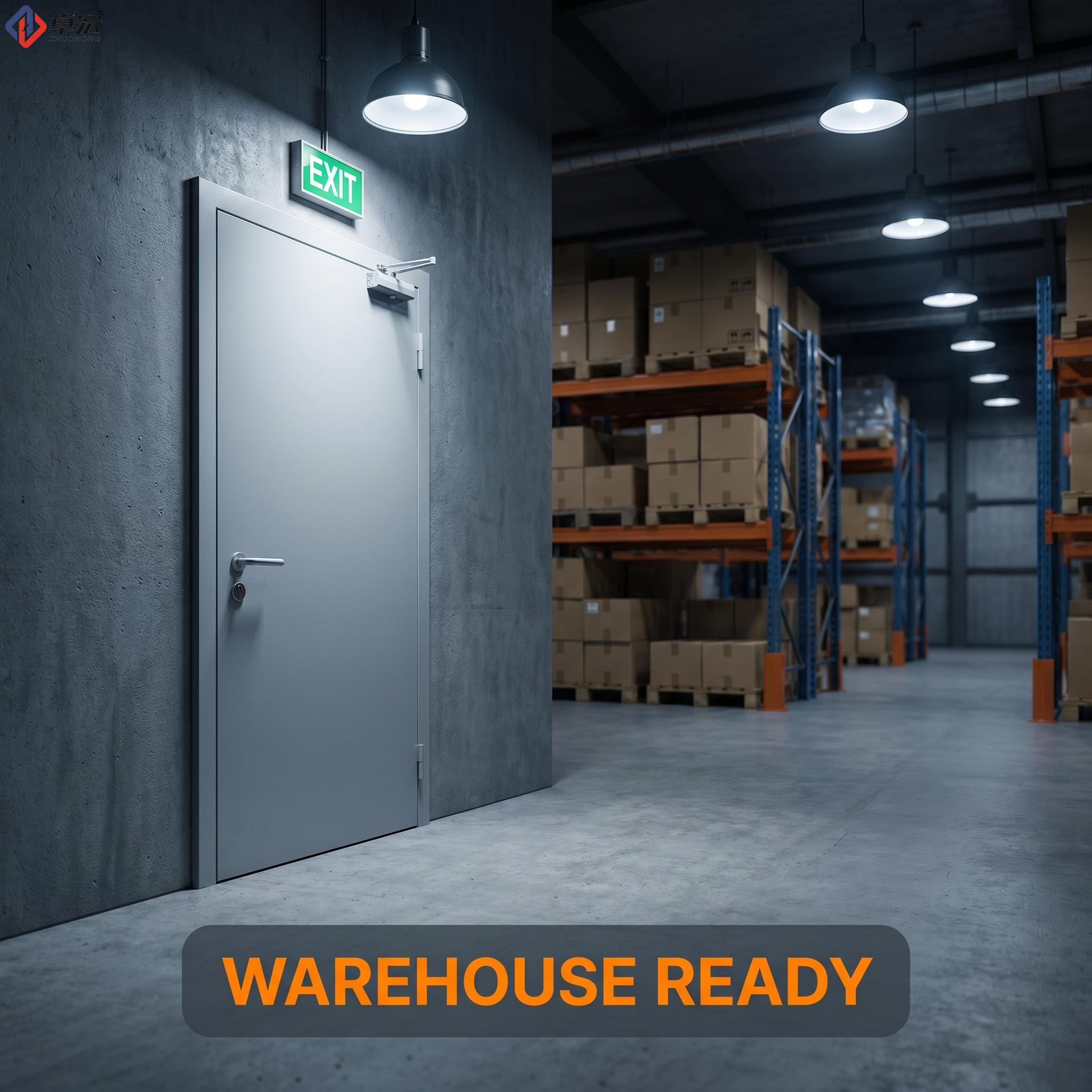
Steel: Steel fire doors are chosen for high-impact environments like factories or industrial settings. They provide excellent durability and can be designed to meet high fire resistance ratings. Steel doors are often used in areas where heavy use is expected or where additional security is necessary.
Certain areas within commercial buildings require specialized fire doors due to the higher risks associated with them. For example:
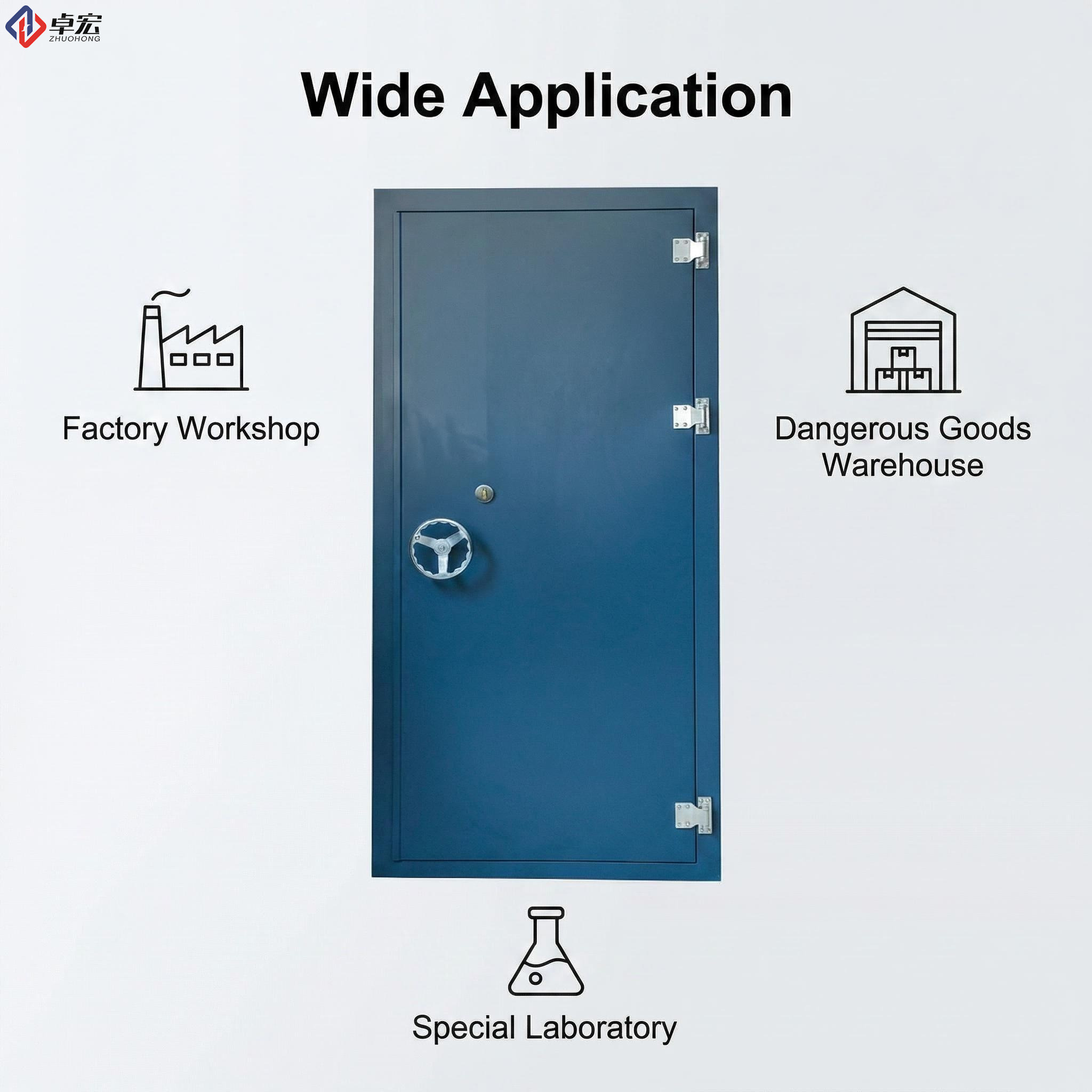
Laboratories: Fire doors in laboratories must withstand chemical exposure and provide a high level of fire resistance. They often include additional features like blast-proofing.
Storage Rooms: Rooms that store flammable materials need fire doors that can contain potential fires and prevent them from spreading to other areas.
Electrical Rooms: Fire doors in electrical rooms are crucial for protecting vital infrastructure. They must be robust and meet specific fire ratings to ensure safety.
In summary, understanding the types of fire doors and their materials is vital for compliance with fire safety regulations. The choice of fire door must align with the building's fire risk assessment and the specific needs of different areas.
Tip: Always consult a fire safety expert to determine the most suitable fire door type and rating for each area in your commercial building.
When it comes to installing fire doors in commercial buildings, adherence to building regulations is paramount. Fire doors must comply with the Building Regulations 2010, specifically Approved Document B, which outlines the requirements for fire safety in buildings. This document provides guidance on the appropriate fire resistance levels for doors based on the building's use and occupancy.
Fire doors must be installed with the correct specifications, including fire resistance ratings such as FD30 or FD60. These ratings indicate how long the door can withstand fire, with FD30 offering 30 minutes of protection and FD60 providing 60 minutes. The choice of rating depends on the building's design, occupancy, and specific fire risk assessments.
Proper installation of fire doors is crucial for their effectiveness. Here are some key standards and best practices to follow:
Certified Installation: Fire doors should be installed by qualified professionals who understand the specific requirements. This ensures that all components, including frames and hardware, meet the necessary fire resistance ratings.
Intumescent Seals: Fire doors must be fitted with intumescent seals, which expand when exposed to heat. These seals help to prevent smoke and flames from spreading through gaps around the door.
Frame and Hardware Compliance: The door frame and all hardware, such as hinges and locks, must also comply with the fire resistance rating of the door. For instance, FD30 doors typically require specific types of hinges that can withstand high temperatures.
Gap Tolerances: The gap between the door and its frame should be between 2-4mm. This gap allows for the installation of intumescent strips while ensuring the door can close properly in an emergency.
Self-Closing Mechanisms: Fire doors must be equipped with self-closing devices. These devices ensure that the door closes automatically after being opened, maintaining its protective function.
Signage and Markings: Proper signage is essential. Fire doors should be clearly marked with signs such as "Fire Door Keep Shut" to remind occupants of their importance in fire safety.
Signage plays a vital role in ensuring fire doors are used correctly. Here are the key requirements:
Fire Door Signs: Every fire door must have a visible sign indicating it should remain closed. This sign should be placed at eye level for easy visibility.
Emergency Wayfinding Signs: In addition to fire door signs, emergency wayfinding signs should guide occupants towards safe exits, away from fire doors.
Compliance with Regulations: All signage must adhere to the Health and Safety (Safety Signs and Signals) Regulations 1996. This ensures that the signs are standardized and easily recognizable.
By following these installation requirements and best practices, building owners can ensure their fire doors provide the necessary protection and compliance with regulations. Regular training and awareness for staff about the importance of fire doors and their proper use can further enhance safety in commercial buildings.
Tip: Regularly inspect fire doors to ensure they are functioning correctly and have not been propped open or blocked, as this can compromise their effectiveness in an emergency.
Maintaining fire doors is crucial for ensuring they perform effectively in emergencies. Regular inspections help identify any issues that could compromise their functionality. Fire doors should be inspected at least every six months, but higher-risk buildings may require checks more frequently. The inspection process typically includes:
Visual Checks: Inspect for any visible damage, such as dents, cracks, or warping. Ensure the door fits properly in its frame.
Self-Closing Mechanism: Test the self-closing device to confirm it works correctly. The door should close fully without assistance and remain closed.
Intumescent Seals: Check the condition of intumescent seals. They should be intact and properly positioned to seal gaps when the door is closed.
Gap Measurements: Measure the gap between the door and frame. It should not exceed 4mm to ensure proper sealing during a fire.
Hardware Functionality: Inspect hinges, locks, and latches to ensure they are functional and compliant with fire safety standards.
During inspections, several common issues may arise that could affect a fire door's effectiveness:
Blocked or Propped Open Doors: Fire doors should never be wedged open. This can prevent them from closing during a fire, compromising safety.
Damaged Components: Hinges, seals, or the door itself may be damaged. Even minor damage can reduce the door's fire resistance.
Improper Installation: If a fire door is not installed correctly, it may not function as intended. This includes issues with frame alignment and hardware.
Missing Signage: Fire doors must have appropriate signage indicating they should remain closed. Lack of signage can lead to misuse.
Training is essential for those responsible for inspecting fire doors. Inspectors should understand fire safety regulations and the specific requirements for fire doors. Training programs can cover:
Understanding Fire Door Ratings: Knowledge of FD30 and FD60 ratings and their implications for different environments.
Inspection Techniques: Best practices for conducting thorough inspections, including identifying compliance issues.
Legal Responsibilities: Awareness of the legal obligations under the Regulatory Reform (Fire Safety) Order 2005, ensuring that inspectors know their duties and the potential consequences of non-compliance.
Regular training helps maintain high standards and ensures that fire doors are inspected correctly, reducing the risk of non-compliance and enhancing overall safety.
Tip: Schedule regular inspections and ensure all staff involved in fire safety are trained to recognize and report any issues with fire doors promptly.
In the UK, the Regulatory Reform (Fire Safety) Order 2005 (FSO) is the cornerstone of fire safety legislation for existing commercial buildings. This regulation mandates that all buildings must have adequate fire safety measures in place to protect occupants. Under the FSO, a designated "responsible person" must ensure compliance with fire safety standards, including the installation and maintenance of fire doors.
The responsible person is typically the landlord, employer, or anyone in control of the premises. Their duties include conducting regular fire risk assessments to identify potential hazards and implementing appropriate safety measures. This includes ensuring that all fire doors are properly maintained and functioning effectively.
The responsible person plays a crucial role in fire safety management. Key responsibilities include:
Conducting Fire Risk Assessments: Regular assessments help identify fire hazards and evaluate the effectiveness of existing safety measures, including fire doors.
Maintaining Fire Doors: Ensuring fire doors remain in good working order is vital. This includes checking for damage, ensuring they close properly, and confirming that all seals and components are intact.
Training Staff: It's essential to train staff on fire safety protocols, including the importance of keeping fire doors closed and unblocked.
Documenting Compliance: Keeping detailed records of inspections, maintenance, and training is necessary to demonstrate compliance with the FSO.
Fire risk assessments are a legal requirement under the FSO. They help identify risks and determine the necessary fire safety measures for a building. The assessment should include:
Identification of Fire Hazards: Assess potential sources of ignition, fuel, and oxygen that could contribute to a fire.
Evaluation of Existing Safety Measures: Review the effectiveness of current fire safety measures, including fire doors, to ensure they meet legal standards.
Implementation of Additional Measures: If risks are identified, the responsible person must implement additional safety measures, such as installing new fire doors or upgrading existing ones.
Regular Reviews: Fire risk assessments should be reviewed at least annually or whenever significant changes occur in the building's use or occupancy.
Ensuring fire door compliance is critical in maintaining a safe environment. Fire doors must meet specific fire resistance ratings (FD30 or FD60) depending on the building's layout and occupancy levels. Regular inspections and maintenance help ensure these doors function correctly in emergencies.
Tip: Always keep a record of fire door inspections and maintenance activities to demonstrate compliance and enhance overall safety in your building.
When constructing new commercial buildings, it’s essential to comply with the Building Regulations 2010, particularly Approved Document B. This document outlines the standards for fire safety, including the installation and specifications of fire doors. These regulations ensure that fire doors are appropriately selected and installed to provide adequate protection against fire and smoke.
To comply, fire doors must meet specific fire resistance ratings, such as FD30 or FD60. These ratings indicate how long the door can withstand fire—30 minutes for FD30 and 60 minutes for FD60. The choice of rating depends on the building's design, occupancy, and fire risk assessments. For example, FD60 doors are typically required in buildings without sprinkler systems, while FD30 doors can suffice in those equipped with sprinklers.
In new constructions, fire doors must be tested and certified to ensure they meet the required standards. Fire door ratings are crucial for determining their effectiveness in containing fire and smoke. The most common ratings are:
FD30: Offers 30 minutes of fire resistance, suitable for lower-risk areas.
FD60: Provides 60 minutes of protection, ideal for higher-risk zones.
All fire doors should comply with testing standards like BS 476 Part 22 or BS EN 1634-1. These standards ensure that the doors can withstand fire for the specified duration, providing safety to occupants during emergencies.
Documentation is vital when it comes to fire doors in new buildings. Each fire door must have a certification label affixed, which includes essential information such as:
Manufacturer's Name: Identifies the producer of the door.
Certification Number: Indicates compliance with relevant fire safety standards.
Fire Rating: Specifies the door's resistance level (FD30 or FD60).
Additionally, proper installation documentation should be maintained. This includes installation instructions, maintenance records, and any alterations made after installation. Keeping these records helps demonstrate compliance during inspections and audits.
It’s also critical to ensure that all components of the fire door system, including frames and hardware, meet the same fire resistance ratings. For instance, if an FD30 door is installed, its frame and hinges must also be rated for FD30 to maintain overall effectiveness.
Tip: Always engage a certified installation company to ensure fire doors are installed correctly, maximizing their effectiveness in protecting your commercial building.
Non-compliance with fire door regulations can lead to severe legal consequences. The Regulatory Reform (Fire Safety) Order 2005 mandates that building owners and managers maintain fire safety standards, including proper installation and maintenance of fire doors. Failure to comply can result in hefty fines, which can reach up to £5,000. In more severe cases, individuals may face up to two years in prison if their negligence leads to significant risks or injuries during a fire.
For instance, in 2007, Tesco was fined £95,000 due to fire doors being wedged open, compromising safety. Similarly, a letting agent faced a £100,000 fine after inspections revealed that fire doors did not self-close, rendering them ineffective during emergencies. These cases highlight the importance of adhering to fire safety regulations to avoid legal repercussions.
The implications of non-compliance extend beyond legal penalties. Fire doors play a critical role in ensuring the safety of occupants by containing fire and smoke. If fire doors are not compliant, the overall safety of the building is jeopardized. This can lead to increased risks during a fire, potentially resulting in injuries or fatalities.
Moreover, insurance policies may be affected. Insurers often require compliance with fire safety regulations as a condition of coverage. If a building is found to be non-compliant during an inspection or claim, the insurer may deny coverage, leaving the owner liable for damages. This financial risk underscores the importance of maintaining compliant fire doors as part of a broader fire safety strategy.
Several case studies illustrate the dire consequences of non-compliance with fire door regulations. One notable incident involved a residential building where fire doors were not properly maintained. During a fire, the doors failed to close, allowing flames and smoke to spread rapidly. This not only endangered lives but also led to significant property damage. The responsible person faced legal action and was held accountable for the lapses in fire safety.
Another case involved a commercial building where fire doors were improperly installed. An inspection revealed that the doors did not meet the required fire resistance ratings. Following a fire incident, the building owner was fined and required to undertake extensive renovations to bring the property up to code. This not only incurred financial costs but also damaged the building's reputation.
In summary, the consequences of non-compliance with fire door regulations are significant and multifaceted. Legal penalties, safety risks, and potential insurance issues all highlight the necessity of adhering to fire safety standards. Building owners and managers must prioritize compliance to protect their occupants and their investments.
Tip: Regularly conduct fire risk assessments and ensure all fire doors are compliant with current regulations to avoid legal issues and enhance safety.
Ensuring fire safety in commercial buildings requires compliance with fire door regulations. Fire doors, such as FD30 and FD60, are essential for protecting occupants and property. Regular inspections and maintenance are crucial for functionality. Building owners must conduct risk assessments to select suitable fire doors. As regulations evolve, staying informed is vital for safety and compliance. ZHUOHONG offers high-quality fire doors that meet safety standards, providing durability and reliability for your commercial building needs.
A: Fire doors are specialized doors designed to prevent the spread of fire and smoke within a building, ensuring safety for occupants during emergencies.
A: Selecting fire doors depends on the building's layout, occupancy levels, and specific fire risk assessments, with options like FD30 and FD60 available.
A: Regular inspections ensure fire doors function properly and meet safety standards, preventing potential failures during a fire emergency.
A: Fire doors enhance safety by containing fires and smoke, protecting occupants, and minimizing property damage during emergencies.
A: The cost of fire doors can vary based on materials, ratings, and installation, but investing in quality fire doors is crucial for compliance and safety.


